How to Reset Guest Expectations Without Racing to the Bottom on Amenities
My costs are higher than they were two years ago, my price is lower than it was two years ago, and guests still expect hotel-level perfection.
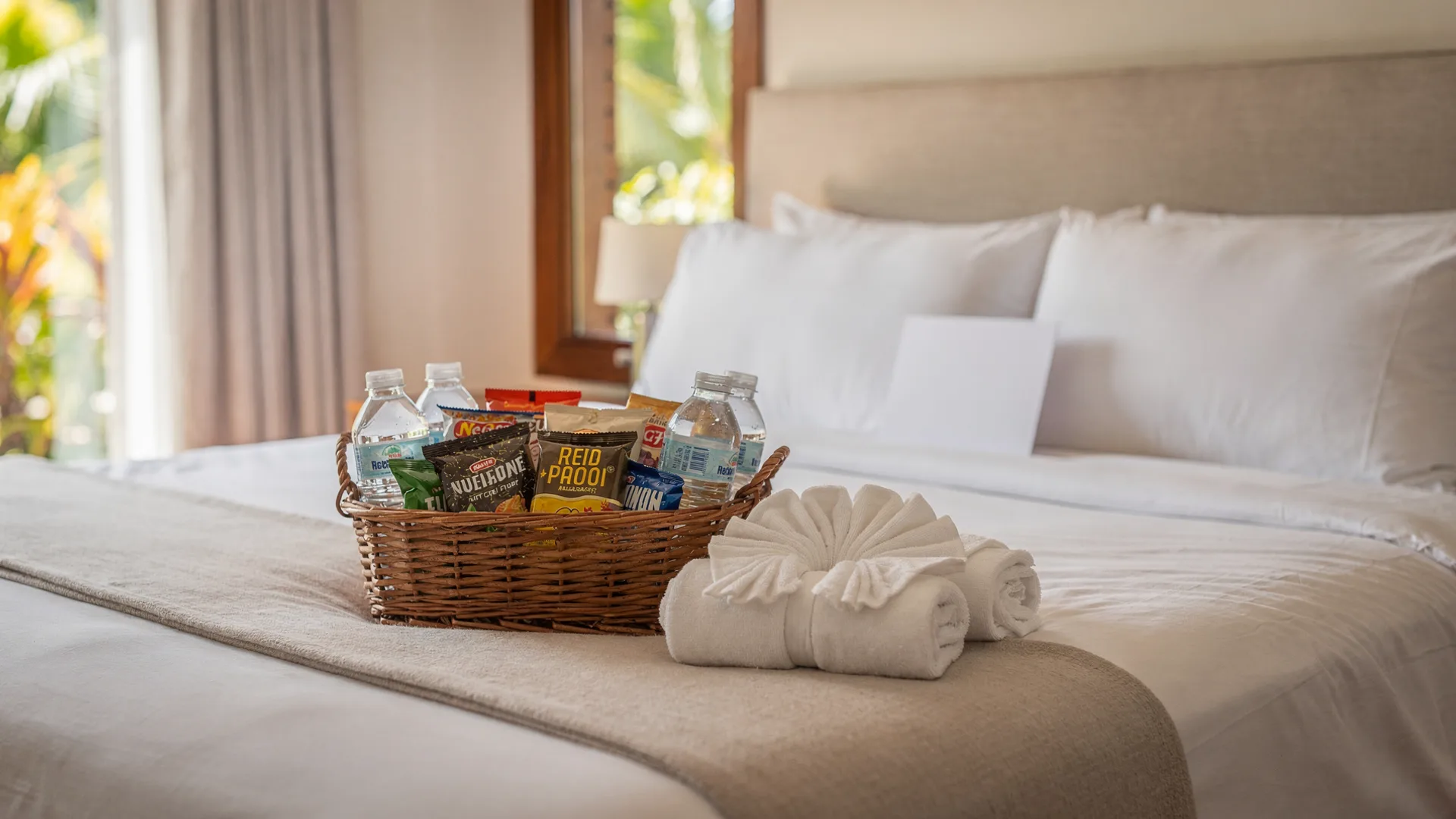
There is a special kind of exhaustion that comes from lowering your price and raising your standards at the same time. You know its arithmetic even if you have never written it down: towels replaced this season, cleaning costs up, platform fees unmoved, nightly rate lower than it was two years ago — and a polite message on your phone explaining that the studio was "cute but honestly felt like it was missing basics for the price — no coffee maker, towels felt a little thin." The rate is $89. Your actual margin on that rate, after fees, cleaning, and consumables, is about twenty-two dollars. The guest's reference point is a hotel that costs twice as much and employs a night staff.
The bitter little math you do afterward — margin per night versus the cost of the amenity being requested — is the part no guest will ever think about, because guests don't see a cost stack. They see a price and a set of assumptions about what that price should include, and the assumptions have been inflated by every boutique hotel on their feed. So you end up resenting a stranger for being politely, sincerely wrong about your economics — and then feeling small for resenting them, which is its own tax.
Call the enemy what it is: the more-for-less guest economy — standards rising and rates falling at the same time, with hosts standing in the gap, absorbing the difference in their ratings and their margins simultaneously. The fix is not another amenity bought out of guilt. The fix is positioning: deciding what tier of stay your price actually buys and making the entire listing say so, in writing and in the photos, before anyone arrives. If the photos promise a hotel and the room is a studio, that is the mismatch. If they are only dim, better listing photos can show the tier you actually sell. That is what this article is about, and it costs less than the coffee maker. Airbnb's list of the amenities guests want, the guide to understanding pricing, and helping a listing stand out are the official pieces of that positioning.
A Market Getting Squeezed From Both Directions
Two forces are moving in opposite directions at the same time, and hosts are standing in the middle of the gap. Costs — cleaning labor, consumables, platform fees, insurance, utilities — have climbed steadily. Nightly rates in a lot of markets have stayed flat or dropped, pressured by competition and by guests who now shop short-term rentals the same way they shop flights, sorting by price first. That combination means many hosts are delivering more polish per dollar than they were two years ago, while margins shrink and expectations rise, because guests are comparing the experience to whatever the best-reviewed listing at any price is doing.
The Comparison Guests Are Actually Making
Guests rarely compare a short-term rental to what it actually costs to run one. They compare it to the last hotel they stayed in, the last five-star listing they saw on someone else's feed, and a general, rising sense of what "nice" is supposed to look like at any price point. A budget studio gets held to a standard shaped by boutique hotels with a fraction of the guest's actual spend, because the comparison happens instinctively and rarely accounts for the fact that a hotel's $180 rate includes 24-hour staffing, daily housekeeping, and economies of scale no single host will ever have access to.
That comparison isn't malicious. Most guests aren't trying to be unreasonable — they simply don't have visibility into what separates a $89 studio from a $180 hotel room beyond the number itself, and a listing that doesn't actively manage that gap in perception is leaving the guest to fill it in with whatever reference point is closest at hand. Left unmanaged, that gap gets filled with the most flattering hotel memory the guest has, which is a standard no independent host, at any price, was ever actually competing to meet.
A Quick Tour Of Where This Shows Up
It's not just coffee makers. A cabin host gets asked why there's no dishwasher in a rustic property explicitly marketed as off-grid. A downtown studio host gets a review docking a star for street noise the listing photos and description both mentioned upfront. A shared-driveway host gets flagged for "limited parking" despite stating exactly that in bold in the listing. Each complaint, taken alone, sounds like a legitimate gripe. Taken together, they describe guests grading a stay against an idealized, composite version of hospitality rather than against what was actually promised and delivered — and hosts absorbing the difference in their ratings and their margins at the same time.
Where This Actually Gets Fixed
The instinct is to solve expectation inflation by adding more — a coffee maker, better towels, a welcome basket — without touching price, which compresses margin further and doesn't actually address the root cause. The root cause isn't the coffee maker. It's that the listing never clearly told the guest what tier of stay $89 buys, so the guest filled that gap with their own assumptions, borrowed from hotels with completely different cost structures.
Reset expectations before you add more amenities
- 1Audit your listing description for vague language like "cozy" or "charming" that leaves the tier of stay ambiguous — replace it with specifics about what is and isn't included.
- 2List amenities honestly and completely, including the small absences, so nothing is discovered as a surprise at check-in.
- 3Compare your photos against three competitors within $15 of your rate and notice what tier of finish they're signaling.
- 4Decide deliberately whether you're positioned as a budget stay, a mid-tier stay, or a premium stay — and make every part of the listing agree with that choice.
- 5If your margin is thin, consider raising price modestly rather than adding cost-bearing amenities you can't sustain long-term.
That last point is the one hosts resist most, because it feels counterintuitive to raise a price when bookings already feel fragile. But a clearly positioned $99 listing that matches its own promises usually outperforms a vague $89 listing that guests interpret as underdelivering, because the complaint was never really about the ten dollars. It was about a mismatch between what the guest imagined and what the photos and description actually set up — the exact gap explored in how a listing's presentation shapes what guests believe they're entitled to before they've even arrived.
The move that actually works costs nothing. Don't add the coffee maker. Add one honest line to the description — "self-catering studio, no coffee maker on site, walkable to two cafés" — and raise the rate six dollars. Reviews tend to stop mentioning coffee entirely, because the guests who book afterward have already agreed, in writing, to exactly what the stay is. That agreement, made before check-in, is worth more than any amenity you could buy, and it takes about fifteen minutes of honest rewriting.
The lesson generalizes past coffee makers. Every amenity a host is tempted to add under pressure is really a question about positioning first, cost second — and getting the positioning right, in writing, before spending a dollar on the fix, is almost always the cheaper and more durable move.
Published March 19, 2026 / 6 min
Related Reading
How to Find Your Real Airbnb Costs Before You Set Price Without Guessing From Nightly Rate Alone
Gross revenue is the number hosts screenshot and send to their brother-in-law. Net profit is the number that actually decides whether hosting was worth it.
April 13, 2026
6 min
How to Fix Your Cleaning Fee vs Nightly Price Without Racing Guests to Zero Fees
The guest saw one number added at checkout. The host saw a cleaner's invoice that keeps climbing every quarter.
May 3, 2026
6 min

How to Spot Cheap-Rate Red Flags Before You Reply Without Saying Yes to Every Low Offer
"Hi! Is $95 negotiable? Big group, off season, we're easy to please :)" The message looks harmless. Experienced hosts read it twice before answering.
March 15, 2026
6 min