How to Tell If Guests Hate Your First Photo Without Quitting the Listing
Maybe I need to quit. Maybe the market is dead. Maybe my property was a mistake.
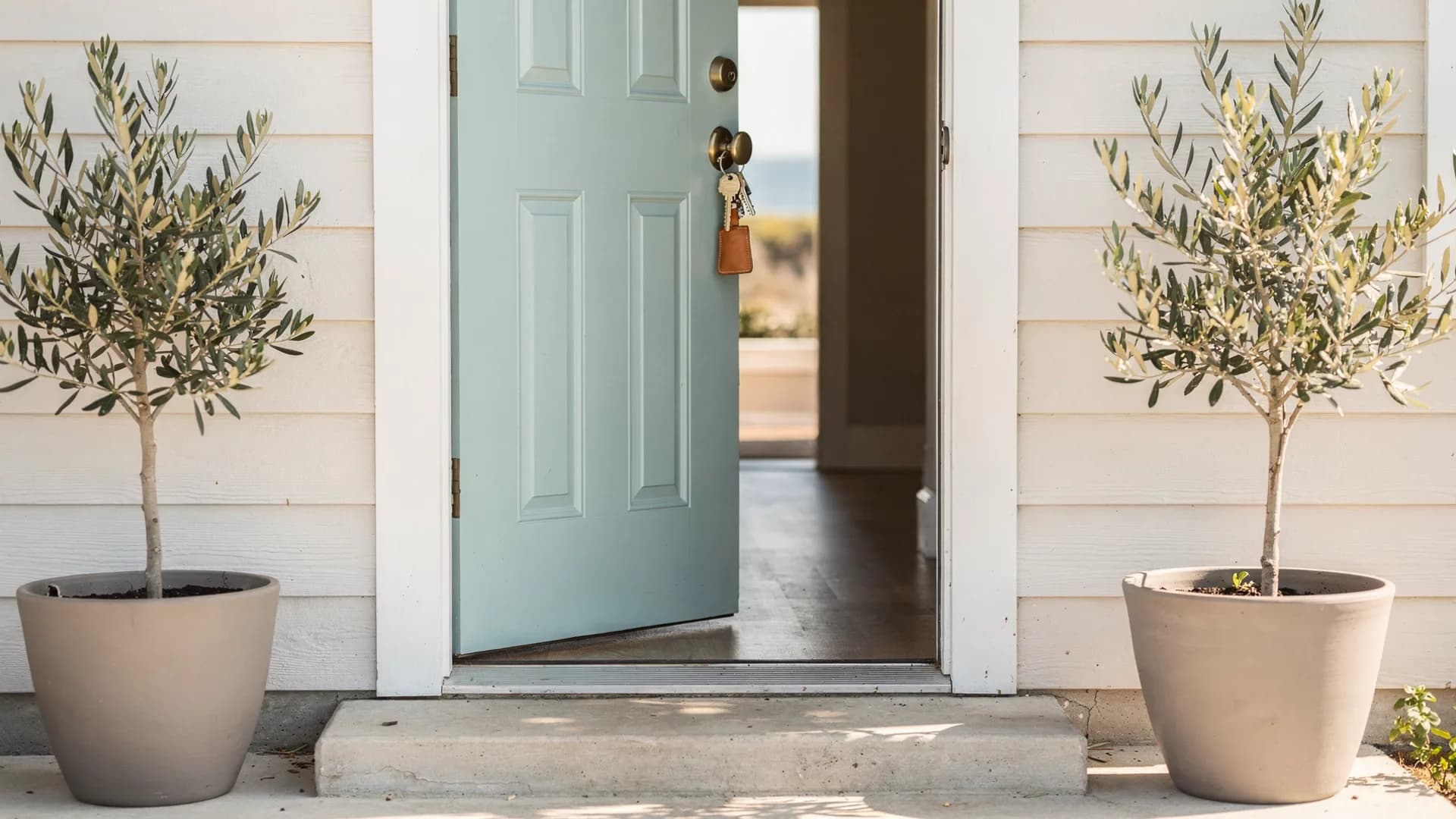
Before you decide the market is dead, Airbnb is over, or you bought the wrong property, look at the version of your place guests are actually judging. Often that version is a dim thumbnail. Enhanced photos can brighten it while the room stays the one a guest will walk into. Airbnb explains how search results work, and the guide to helping a listing stand out puts compelling photos at the front of the job. The ground rules for home hosts still require the photo to match the room.
Because you have already had the other conversation with yourself. Probably late, probably in the glow of a spreadsheet that refuses to say anything kind. You have drafted the it-was-a-good-run speech. You have maybe — quietly, in another tab — browsed what the place would rent for long-term, just to see. Somewhere around the second or third soft month, the math stopped feeling like a business problem and started feeling like a verdict, and the word "mistake" began attaching itself to a property you were in love with a year ago.
And underneath all of it sits the thought you would only admit to another host, and maybe not even then: what if it isn't the market? What if it's me — my taste, my judgment, the sofa I spent too much on, the whole bet I made with money we actually needed?
This article is the hand on your shoulder before you sign that confession. Not because the pressure isn't real — it usually is — but because the size of the panic almost never matches the size of the actual problem underneath it. There are two completely different failures that produce the same empty calendar, and only one of them requires you to reconsider anything big. The other one is a storefront problem: the demand exists, but the small stack of photos doing your negotiating never shows guests the place you are actually defending at 1 a.m. Most hosts sentence the whole business without ever separating the two. You are about to separate them.
The Conclusion Hosts Reach Too Early
Under pressure, the mind reaches for the biggest available explanation. The market is saturated. The neighborhood peaked. The whole thing was a mistake. Big conclusions have a strange comfort to them — they end the uncertainty, even if they end it with a guilty verdict. A dim cover photo, by contrast, is almost insultingly small. It doesn't feel proportionate to the dread. So hosts skip right past it and put the entire enterprise on trial instead.
That verdict is dramatic, final, and very often wrong — not because the competition isn't real, but because it gets handed down on evidence nobody actually examined.
A Quick Way To Separate Two Very Different Problems
There are two categories of trouble a listing can have, and they require completely different responses. One is a demand problem: fewer people are searching your area, or the ones searching have more competitive options than they used to. The other is a presentation problem: the demand is there, but your listing isn't converting it, because what a guest sees doesn't match what your property actually offers.
The trouble is that both problems look identical from the host's chair. Both show up as an empty calendar. Both feel like rejection. But only one of them requires you to reconsider your entire hosting business, and it's worth ruling out the cheaper, faster explanation before accepting the expensive one.
The Storefront Test
Here's a comparison that tends to land with hosts who've spent years thinking about retail rather than hospitality: nobody blames a great product for slow sales without first checking the storefront window. A well-made coat that's displayed under bad lighting, folded wrong, priced without context, will sit on the rack next to a mediocre coat that's lit properly and styled well — and the mediocre coat sells first. This isn't a comment on quality. It's a comment on visibility.
Your listing photos are the storefront window. Guests can't feel the quiet of your apartment, the quality of the mattress, or the way afternoon light moves across the living room floor. They can only see what the photo shows them, in the order you chose to show it, competing against dozens of other windows on the same street.
What Guests Are Actually Comparing
In practice, guests are running a fast, mostly unconscious comparison across five things: brightness, cleanliness, how legible the room layout is at a glance, whether the price feels proportionate to what's shown, and how much the space seems to have been prepared specifically for them rather than photographed once and forgotten. A dark or dim cover photo fails the first test before a guest even reads your description. A cluttered or oddly angled shot fails the second and third. None of that has anything to do with whether the property itself is worth booking.
This is good news, even though it rarely feels like it in the moment. A weak photo sequence is one of the more fixable problems a listing can have — far more fixable than a genuinely saturated market, and far cheaper than another price cut.
Before You Accept The Bigger Verdict
Rule out presentation before you rule out the property
- Pull up your cover photo at thumbnail size — the size guests actually see it in search results — and judge it at that scale, not full screen.
- Compare your listing's brightness against three nearby competitors at a similar nightly rate.
- Check whether your photos were shot at different times of day; mismatched lighting across a sequence reads as neglect even in a well-kept home.
- Ask someone who has never seen your property to describe the layout using only your first five photos, and see what they get wrong.
- Look specifically for the one room or detail that made you fall in love with the property, and confirm it appears in your first five images, not your fifteenth.
If most of those come back weak, you likely haven't found a dead market — you've found a listing that hasn't been given a fair first look. That's a very different, much more solvable problem than the one you were about to talk yourself into.
The companion read here is Your Airbnb Is Better Than Your Bookings Suggest, which goes deeper into how guests actually process a listing in the first few seconds, and why that gap between a good property and a quiet calendar is so often a visibility problem wearing the costume of a bigger one.
Before you rewrite your whole strategy, sit with a smaller, calmer question: has this property actually been shown fairly yet? For a lot of hosts, the honest answer is no — and that's a far easier problem to fix than the one they were bracing for.
Published June 18, 2026 / 6 min
Related Reading
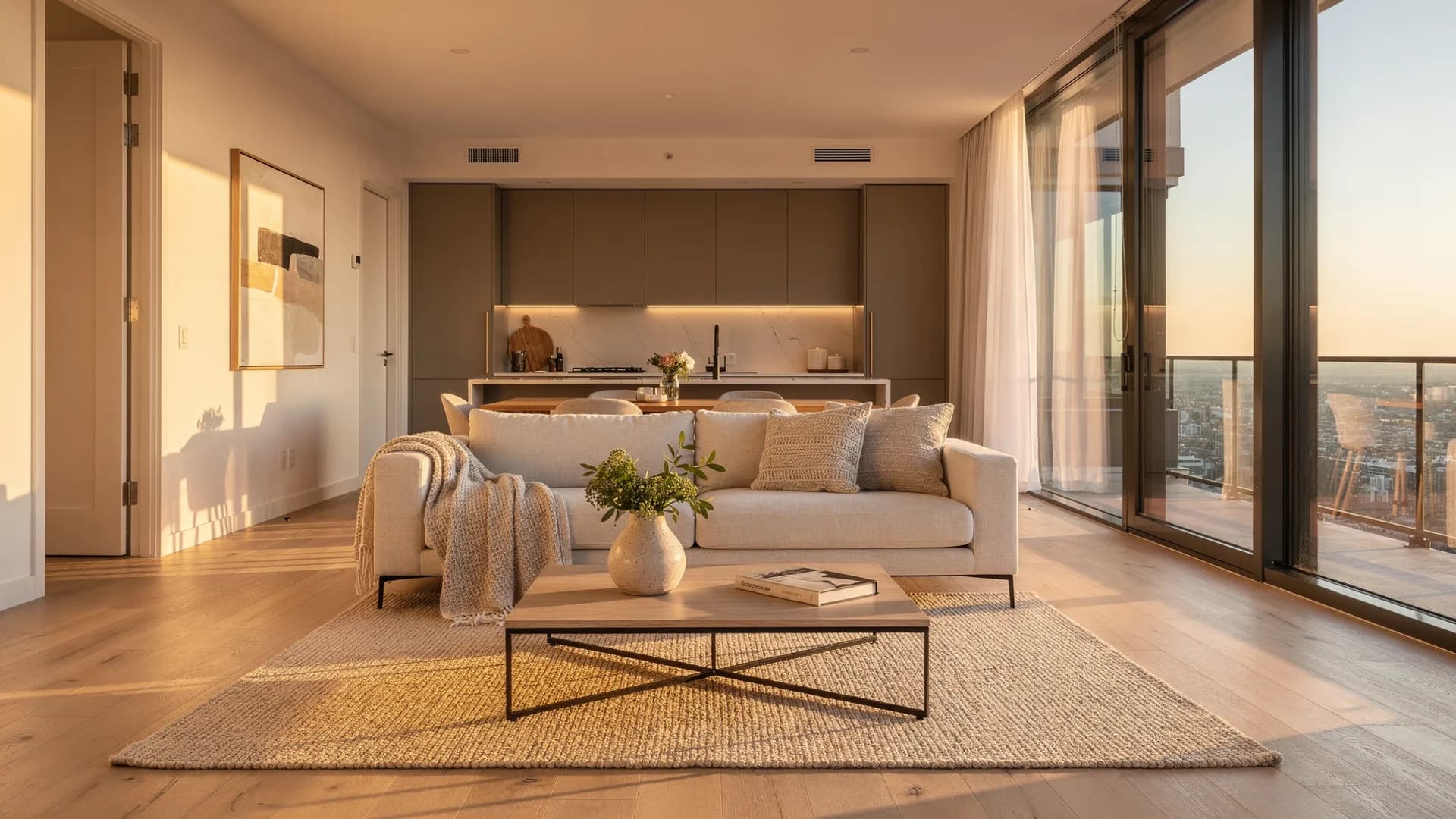
How to Check If Your Photos Make a Good Airbnb Look Worse Without Blaming the House
The host feels invisible, not just underbooked. Start with the layer guests actually see.
July 2, 2026
7 min
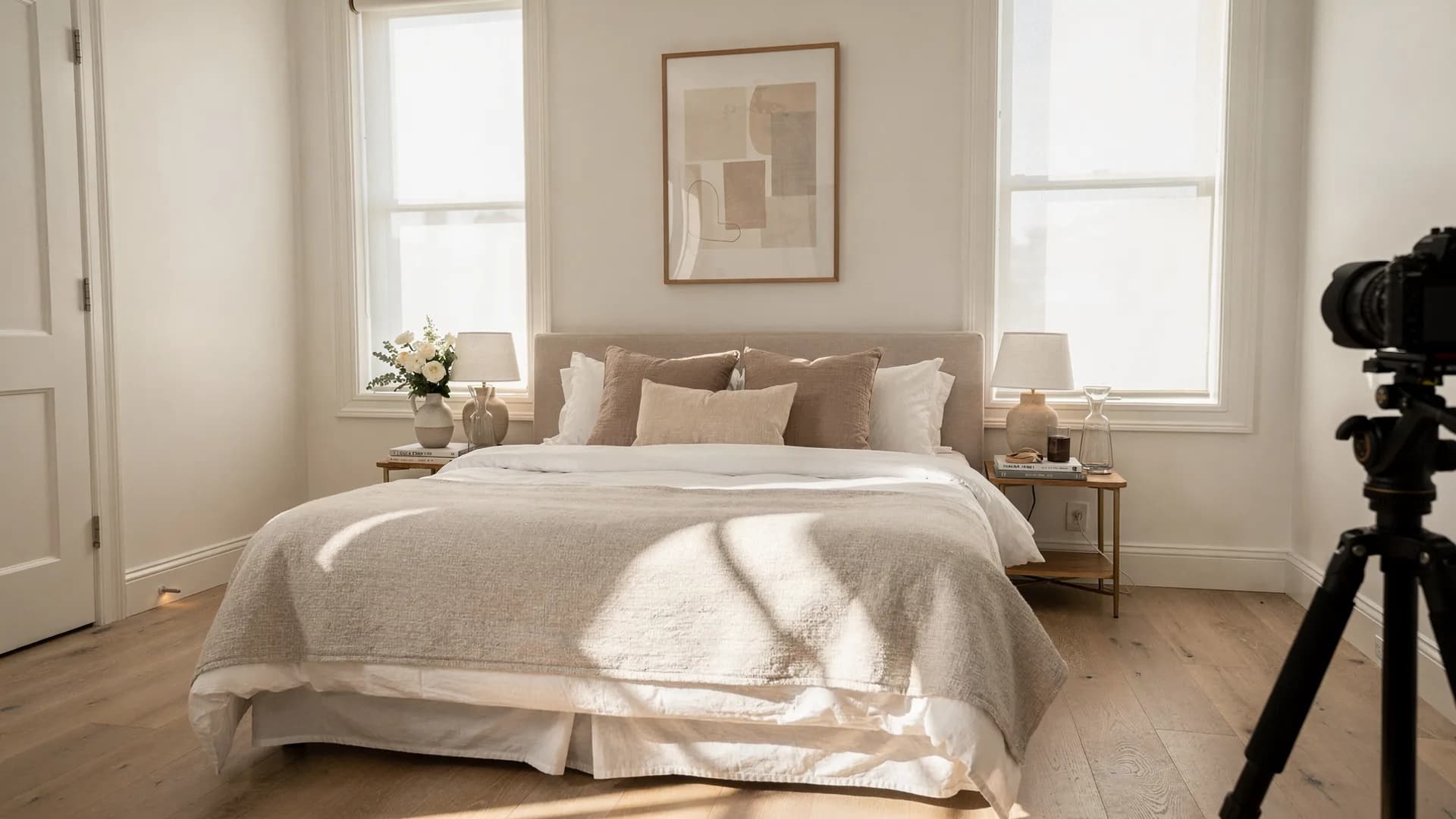
How to Check If Your Cover Photo Wins the Click in One Minute Without Paying for New Photos
Guests don't reject your whole property first. They reject a thumbnail.
June 6, 2026
6 min
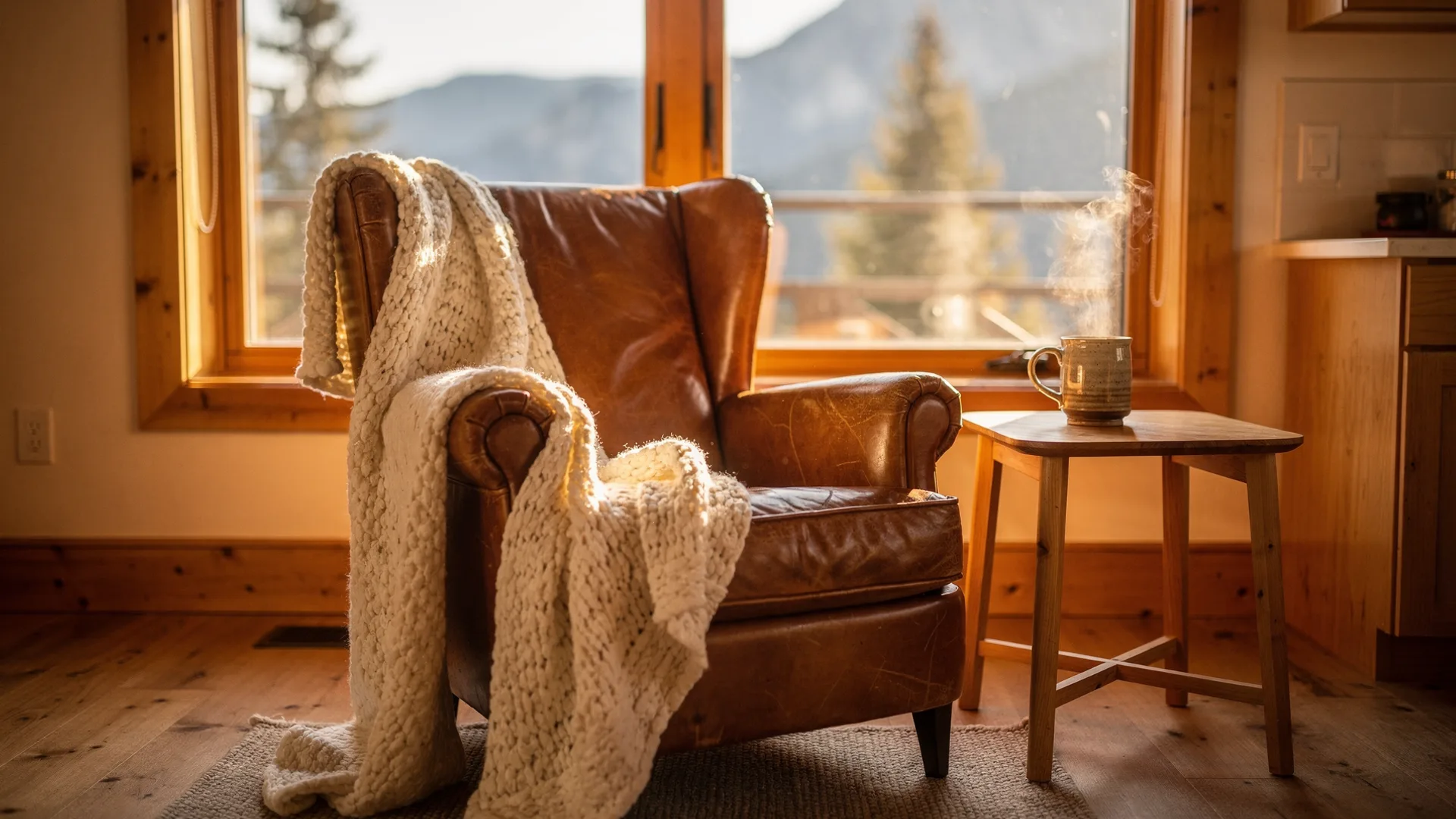
How to Make Your Photos Match Your Real Place in One Weekend Without Remodeling
It feels good when guests say it looks better in person. It may also mean the listing undersold you.
May 30, 2026
6 min